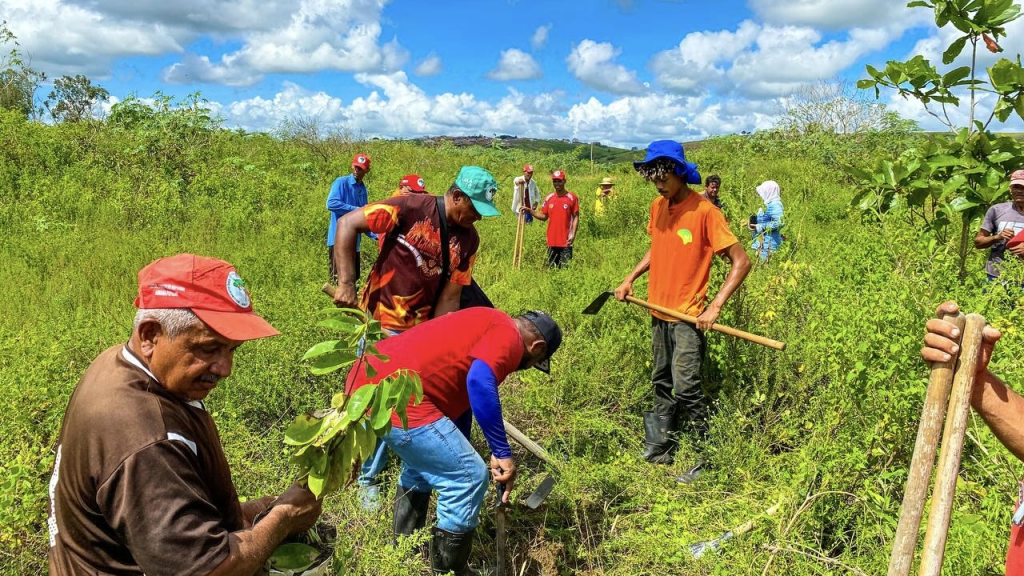
It may seem like all is lost as there are extremely high hurdles to overcome, but as society advances, people start putting the puzzle pieces together and realize that they deserve more in life. Although I am certain there are many solutions to this problem of the lasting effects of colonialism and imperialism, it is hard for them to be put into effect. For example, in the documentary Landless, it was written in the Brazilian constitution that there were to be acts of land reform, but they never came to fruition, as many government officials and corporations would have to give up their personal property for this to happen. Obviously, it would be great if governments acted on behalf of the citizens entirely and gave an equal chance to everyone, but as we know in the real world, this rarely happens. That is why I am proposing two ways that could potentially address the problem and help people have more control over their lives.
Consumption
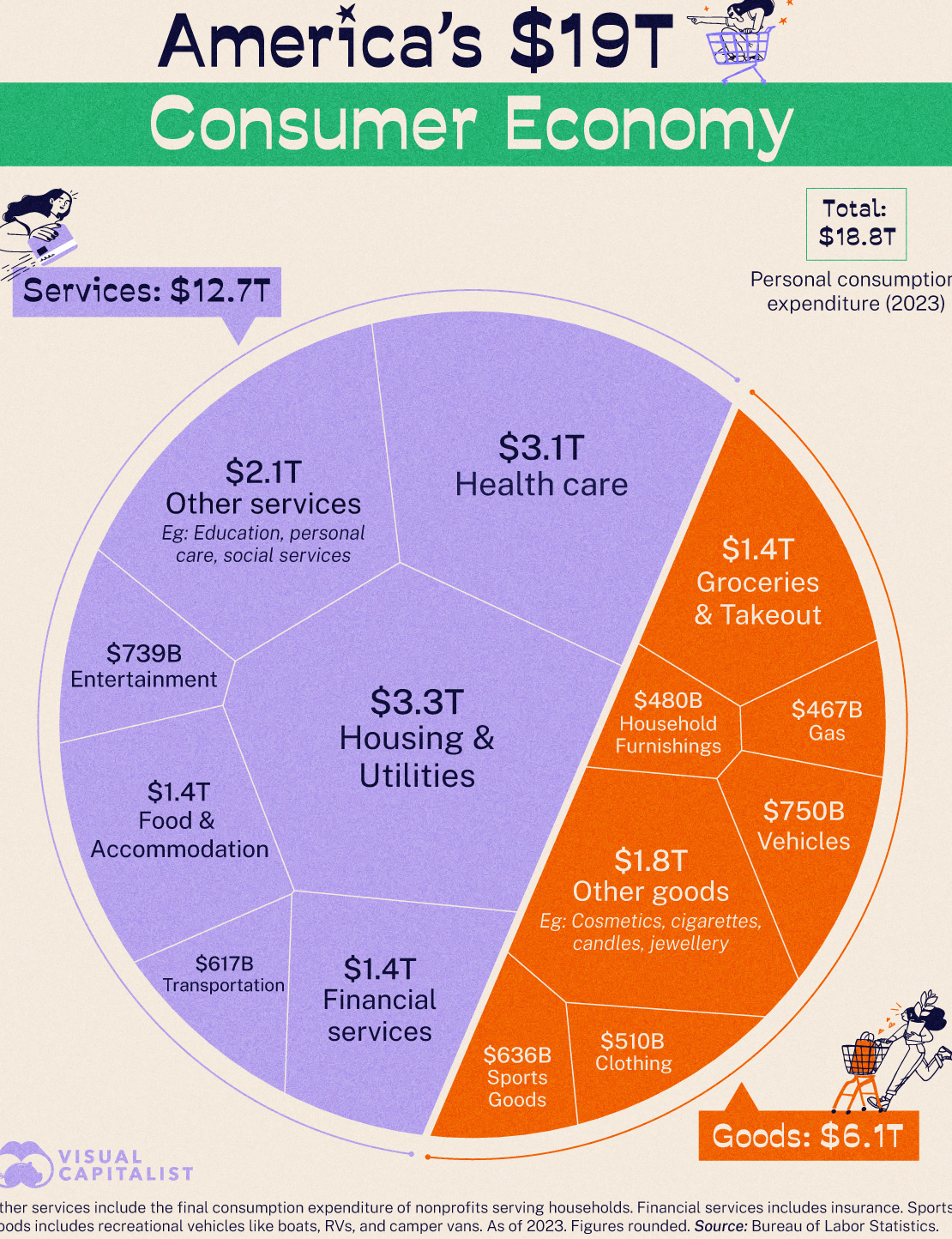
According to the US Bureau of Labor Statistics, in 2023, consumers in the United States spent over 18 trillion dollars. This is over 11 trillion dollars more than China, which is second on total consumption despite having roughly three times the population. This 18 trillion dollar figure is up almost 12 trillion dollars from the year 2000.
Alternative Hedonism
Kate Soper proposes an “alternative hedonism” way of living. Alternative hedonism focuses on the pleasures that we can gain from “adopting a less high-speed, consumption-oriented way of living.” By slowing down in life and not rushing to get to work or get to that next meeting or rushing to get the latest and greatest technology, Soper is arguing that a consumption-oriented life is not suitable for our personal satisfaction and for the planet as a whole. Massive amounts of carbon dioxide are released into the atmosphere through the products that we consume and the personal transportation that almost every American uses to get to and from work, school, and grocery stores. These rates of consumption that are seeing an upward trend are unsustainable and are a big contributor to environmental system collapse. This isn’t even taking into account the person on the other end of this process. The workers in the dangerous mines, mining lithium so we can have our electric cars and newest iPhones. By slowing consumption, it will make companies refocus their initiatives elsewhere that would then be profitable, like green energy or some other form of research that would be more beneficial to society.
Fulfillment
Also supporting Soper’s argument are the facts above. Consumption is at an all-time high. By shifting what we receive gratification from, like material possessions, we can allow a less consumer-focused society to take place. Shifting away from consumer goods to more natural pleasures like nature, relationships, and possibly even faith/religion, there is more purpose we will find in our lives. It shifts from no longer being about what you have and what you can show for it, it being more about your experiences and what you have learned.

What I’m trying to address is the problem of fulfillment that is seen almost everywhere nowadays. Social media has given way for us to see the highlight reels of people’s lives and leads us to compare our everyday lives to the highlights of others. We see what they have and what we don’t, and think that material possessions will be able to fix the void of fulfillment. Soper writes, “The consumer society has become reliant on a collective preparedness to spend the money we earn by working too hard and too long on commodities, and commodified experiences, to replace the more diverse, enriching and lasting satisfactions…”
Alternative hedonism is a way for us consumers to have a direct effect on people all over the world. America has a real spending problem, and by focusing on non-material goods and more on lasting experiences, we can help shift demand for goods and services that are less harmful to the environment and to those who are working day and night to provide for their own livelihoods.
MST
Another possibility to escape the grasp of imperialism is to take matters into their own hands. Throughout the Landless documentary, it was clear to see what it meant to be a part of a community that all stood for the same thing. MST is a movement that was started in Brazil and is a way for workers to fight for land reform and against the injustices that they face in rural communities. Much of the land that is out in the rural areas is owned by corporations or the nation’s wealthiest, and it’s home to either monocultures or goes unused. For members of the MST movement, they were tired of the complacency in their lives and seeing hundreds of acres of land go unused by the workers. Many of the people who live in these rural communities just want their own small plot of land so that they can farm and be self-sufficient, for the most part.

Brazilian Land Reform
In the case of Brazil, land reform was worked into the constitution and laws, however, they were never enacted, presumably because it would destabilize the pedestal that the nation’s elite sat upon. They went through the courts and every legal way imaginable to bring their concerns in a civilized and legal manner, but they were met with rejection and hostility. That is when they started spreading awareness in nearby communities and taking over plots of land that were unused at the time of settlement. Land, in a Capitalist system, is the most important thing a person can own. To deprive people of land and a place to live gives them no power and keeps them from living life the way they see fit. By setting up blockades, donating fresh produce, and various strikes and marches, MST was able to show what they truly wanted and gained an extensive following that allowed them to be taken more seriously, and actually get land back for many people. There is strength in numbers for anything that people do, and by forming strong communities that have a common goal, it allows more bargaining power and threats to be taken more seriously. Movements similar to MST allow people to choose their destiny and work towards breaking the chains of crony capitalism.
Combining MST and Alternative Hedonism
Using the MST movement in conjunction with Soper’s ‘alternative hedonism’, it will allow us to thrive and get more out of life. When land returns to those who take care of it and respect it, we see the environment start to heal. Along with the decreased consumption of consumer goods, it curbs environmental overdraft and the need for workers to do arduous work for little pay. It allows people to take their lives into their own hands and pursue happiness, free from any lasting effects of settlers who came centuries ago.