
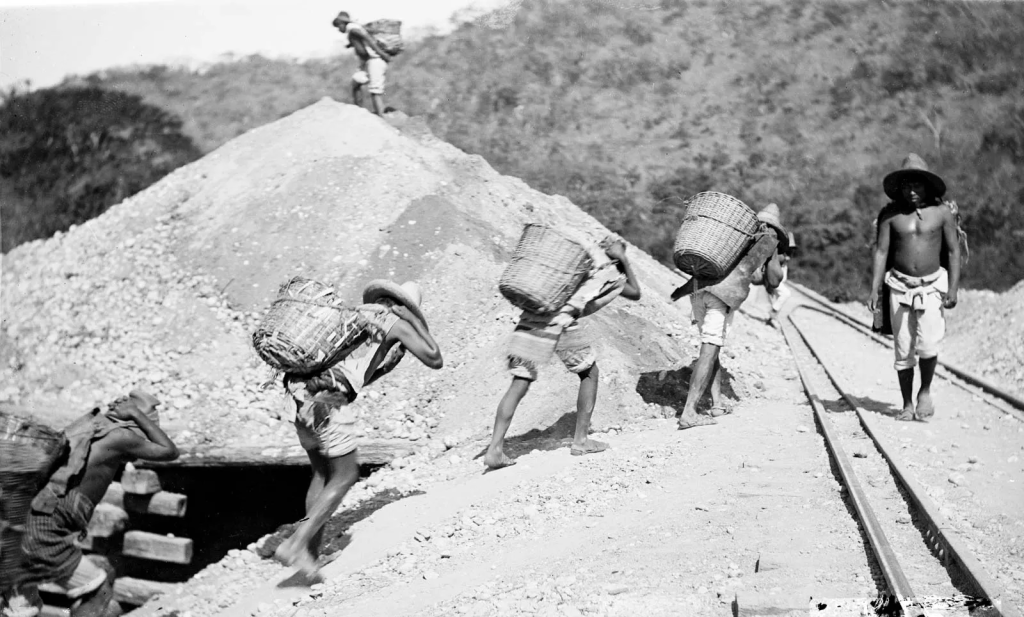
What is Debt Peonage
In its easiest terms, debt peonage occurs when an entity (person/corporation) has power over another working person that is then forced to pay for marked up equipment from a company store. The working person then has to pay back what they received from them through the resources they extract. They continue this process until they pay off their “debts” they owe the company.
About
Even today, debt peonage occurs all over the world and has taken several different forms over the years. In the US, coal miners had to buy their supplies from company stores, which they would then later repay through the coal they mined. If you take what happened to US coal miners and magnify it to millions of people, you arrive at what happened in Latin America. Walter Cano Cardona’s report, The New Face of Debt-Peonage in the Bolivian Amazon, gives insight into Bolivia’s Amazon region. Here, it is where a form of debt-peonage known locally as habilito developed within industries such as rubber, Brazil nuts, and timber, shaping toxic relationships between employers and workers. Before Bolivia’s second agrarian reform in the 1990s, habilito enabled landowners to attract and retain labor under employer-dominated conditions. However, the reform shifted land and resource ownership from these patrons to local communities, granting forest dwellers more control over valuable natural resources. As a result, they gained leverage in negotiating better sales terms and loan agreements.
Long-term effects of colonialism through international investment and debt repayment
One of the claims and things that is thought provoking about debt peonage is the fact it has had effects even long after conolizers have left the countries. Countries like England, United States, Spain, and many others have immense control over what occurs in these countries. Countries like Bolivia export many of their natural resources and materials to countries that once conquered them. Tying in the fact that wealthy countries have the ability to invest in the smaller, less powerful countries shows that there is a power imbalance. The poorer countries are then stuck paying billions of dollars of debt back to the investing country, and the cycle continues.
Buen Vivir v. Extractivism
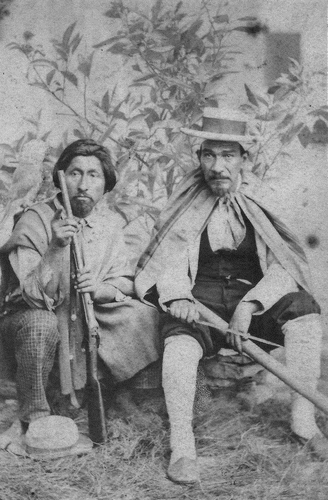
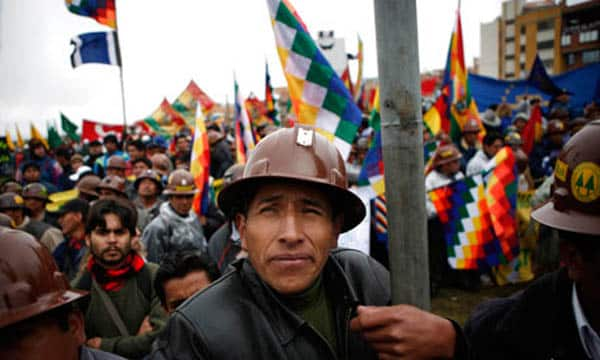
Although slightly different, in Ecuador’s constitution it states that citizens have the right to a good way of living or “Buen Vivir.” Buen Vivir allows people the opportunity to pursue things they want to pursue while not having to work to their death. In Ecuador’s constitution, Section 8 concerns Labor and Social Security. Specifically in Article 33, “Work is a right and a social duty, as well as an economic right, source of personal fulfillment and the basis for the economy. The State shall guarantee full respect for the dignity of working persons, a decent life, fair pay and retribution, and performance of a healthy job that is freely chosen and accepted.” Buen Vivir gives citizens a chance to determine their own future outside of the hands of a large corporation.
Transformation of Habilito
The shift that was mentioned above, gaining leverage with regards to negotiation, transformed habilito from a tool of control into a more mutual negotiation mechanism. Traditionally, debt-peonage meant a debtor repaid a loan through labor under terms set by an asset-controlling employer. But the new situation raises questions: What happens when only one party holds capital while the other controls labor and productive assets? How does the dynamic evolve when property rights change? The current practice of habilito reflects these changes, revealing how former laborers now use their rights to reshape debt and labor negotiations.
Land Ownership as a Means of Power
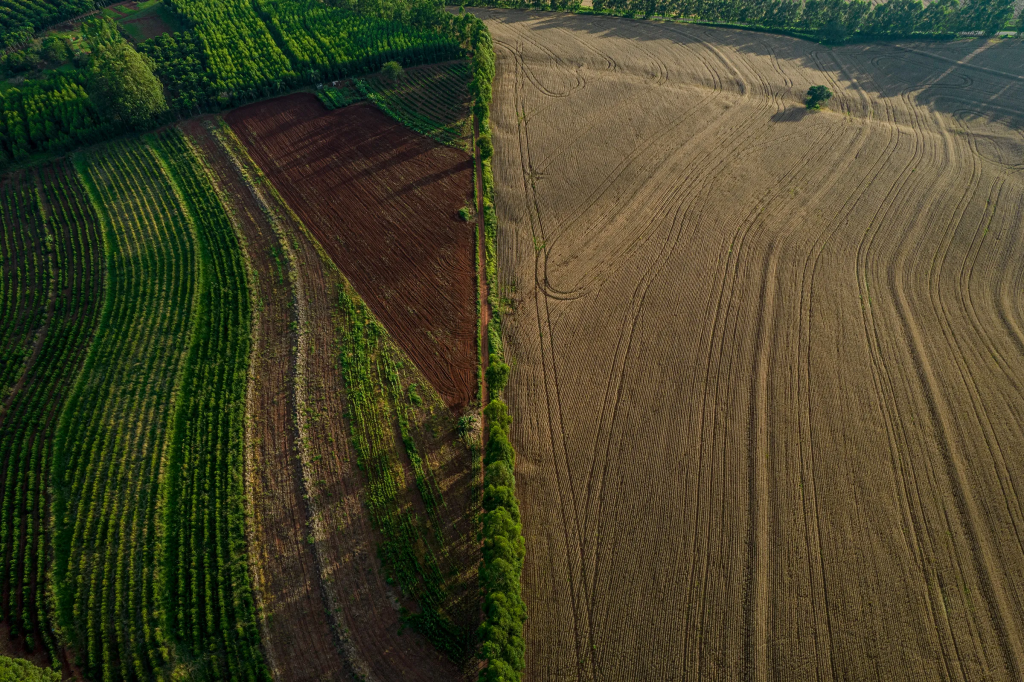
The capitalist system was founded upon the idea of private land. Without land that is privatized, companies have no way of establishing businesses. In Latin America, this was most notable through the use of monocultures; using thousands of acres to grow the same crop and then selling the yields that emerge. The labor involved in the process to harvest these yields is cheap. And now, automation is increasing at an alarming rate. With the use of tractors with GPS and various other techniques of mass harvesting, it gives the hard working families no chance of pursuing a livelihood. Farmers can lock peons into long stays on farms by using support systems that supply them with housing and tools, acting as a way for the peon to gradually pay them back, locking them in to a lifetime of labor.
Shifting Tides
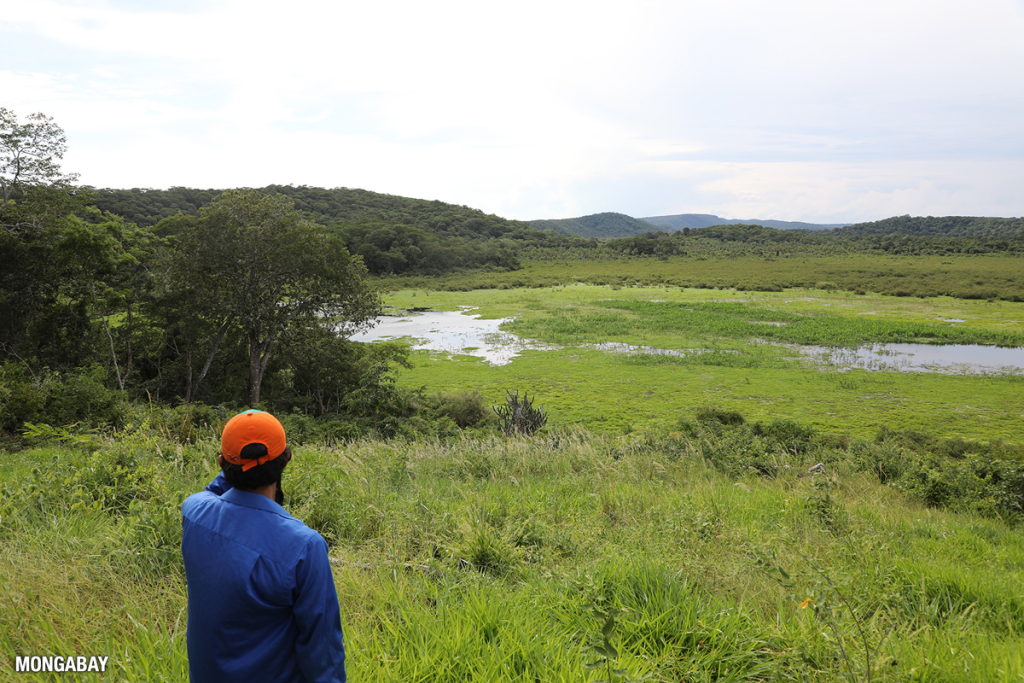
Walter Cano Cardona’s report “The New Face of Debt-Peonage in the Bolivian Amazon” shared findings that starting in the late 1980s, the Brazil nut industry became the region’s primary non-timber forest product sector. This shift coincided with major changes across the country, including government decentralization, forest policy reform, and a second agrarian reform. As a result, many rural communities that work the lands, often situated on former barracas, were officially recognized and granted legal ownership of their land. The 1996 Forest Law changed many rights and afforded peasants and Indigenous populations exclusive rights to use forests on their legally titled lands.
Great efforts were taken, however, traditional habilito practices and social dynamics from the barraca era remained. The redistribution of land and the rights to resources led to new forms of cooperation and dependency among local actors, signaling a transformation in how forest access and labor relationships are structured.
Zooming Out
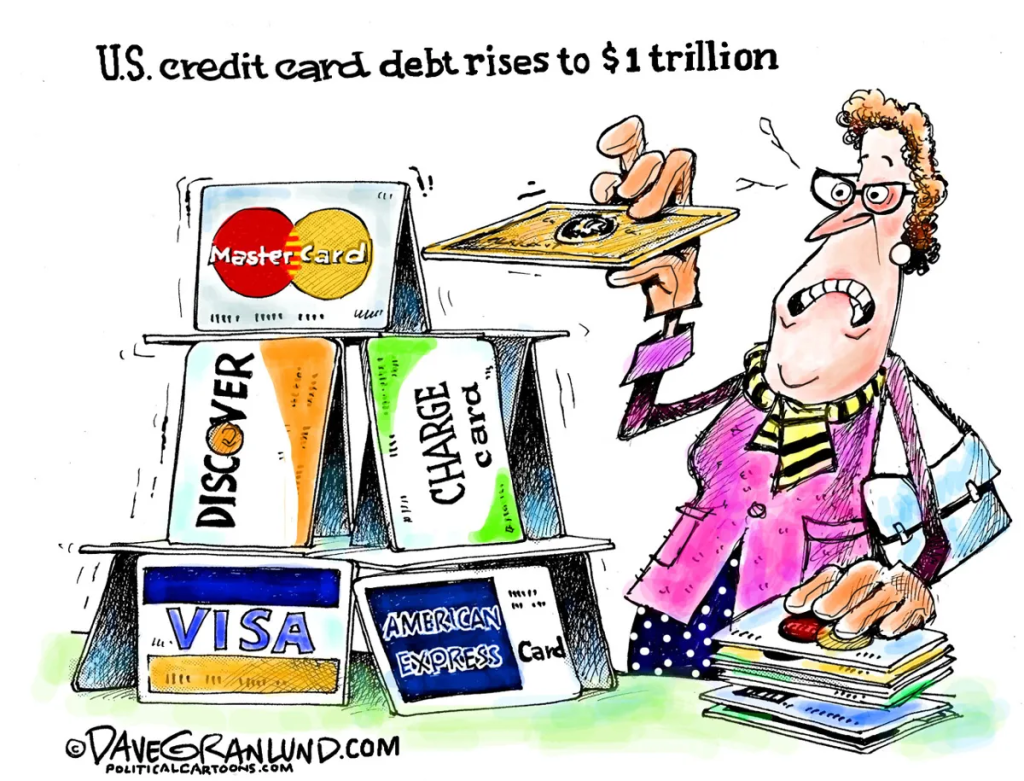
Giving debt peonage a wider view can make it a little easier to understand and can put it into a different perspective. Relating what we’ve seen in Latin America to the rest of the world, we can see we are all bound by indebtedness. In the US, we consumers are constantly using debt as a means to buy a house, buy things we like, and make various other purchases that we see fit. We then go and work for these companies and then pay off these debts until we open the next line of credit. This is happening all around the world. Evan Killik’s The Debts that Bind Us gives insight into how mortgage practices and the 2008 financial crisis relate to debt peonage in Latin America. It is through this text that I argue that credit is the pushing of a frontier. People no longer need to have cold, hard cash to make purchases, they can now pay in installments and be bound to an institution until they pay it back fully. In quite a few cases, many people go on to work for these companies, take out loans with the company, and then pay it back with the money they get from that same company, which sounds eerily similar to the practices in Latin America.